AI in Ocean Exploration: Diving into the Unknown with Machines
The oceans cover more than 70% of our planet, yet much of them remain unexplored. Extreme pressure, darkness, and vast distances make deep-sea exploration incredibly difficult for humans. This is where Artificial Intelligence steps in. AI-powered machines are helping scientists dive deeper, explore longer, and understand the oceans better than ever before. From mapping the seafloor to discovering new species, AI is opening a new chapter in ocean exploration.
1. Exploring the Deep Where Humans Cannot Go
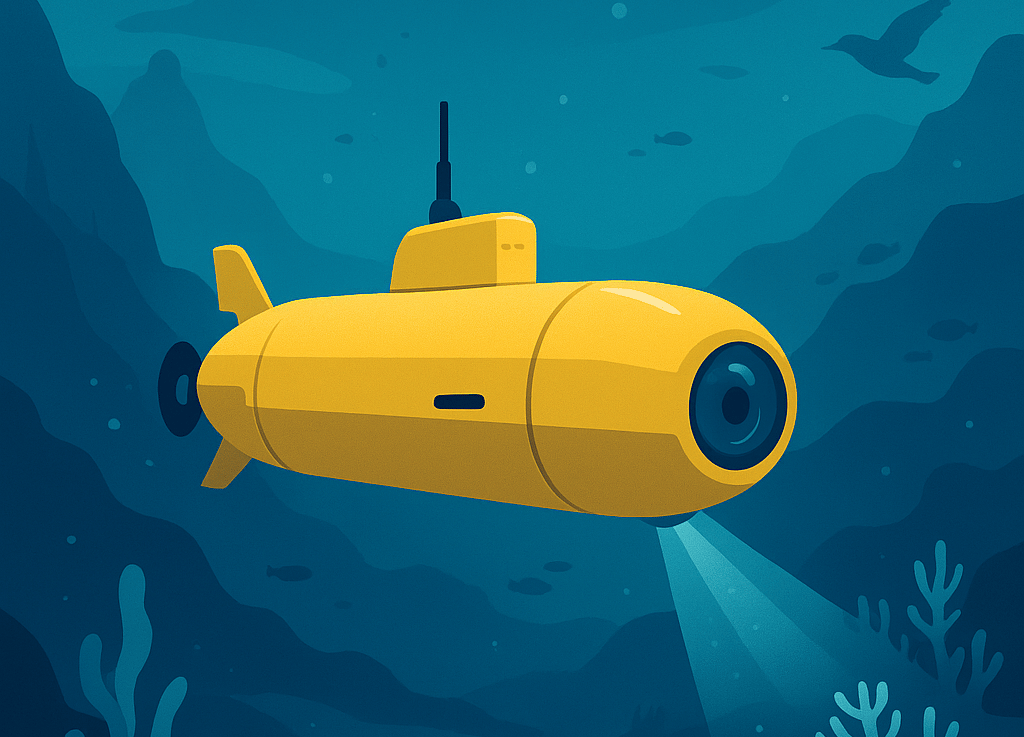
The deep ocean is one of the most hostile environments on Earth. AI-controlled robots and autonomous underwater vehicles (AUVs) can operate in conditions that are impossible for humans.
These machines can:
Dive thousands of meters below the surface
Withstand extreme pressure
Navigate in total darkness
Operate for long periods without human intervention
AI allows these vehicles to make decisions on their own, avoiding obstacles and adjusting routes in real time.
2. Mapping the Ocean Floor
Large parts of the ocean floor remain unmapped. AI helps analyze sonar data and underwater imagery to create highly detailed maps.
AI-powered systems can:
Process massive amounts of sonar data
Detect underwater structures such as trenches and volcanoes
Identify shipwrecks and ancient submerged settlements
Improve navigation and scientific research
This data is crucial for understanding Earth’s geology and tectonic activity.
3. Discovering New Marine Life
Many marine species remain unknown to science. AI helps researchers identify and classify organisms using underwater cameras and sensors.
With AI, scientists can:
Detect new species automatically
Track animal movement and behavior
Monitor fragile ecosystems like coral reefs
Study biodiversity at a large scale
This helps protect marine life and better understand how ocean ecosystems function.
4. Monitoring Climate Change and Ocean Health
The oceans play a vital role in regulating Earth’s climate. AI helps monitor changes that are invisible to the human eye.
AI systems analyze:
Water temperature changes
Ocean acidification
Pollution levels
Melting polar ice and rising sea levels
This data helps scientists predict climate trends and design strategies to protect the planet.
5. Protecting the Oceans
AI is also used to defend oceans from human threats.
Applications include:
Detecting illegal fishing activities
Monitoring oil spills
Tracking plastic pollution
Supporting conservation efforts
By combining satellites, underwater drones, and AI analysis, authorities can react faster and more effectively.
Conclusion
AI is transforming ocean exploration by extending human reach into the deepest and most mysterious parts of the planet. These intelligent machines allow us to explore, understand, and protect the oceans like never before.
As technology advances, AI will continue to help humanity uncover the secrets hidden beneath the waves — turning the unknown into knowledge and discovery.
Synergy
Explore AI and creativity through engaging tutorials.
Innovate
Empower
contact@humanandai.net
© 2026. All rights reserved.